Platforms • Delivery • Reliability
Software Engineering
Build production systems that keep shipping under pressure.

AI-native. Security-critical. Low-latency.
We build, harden, and stabilize software where trust, latency, and cost decide the outcome.
Core Delivery
Build, stabilize, and move with engineering clarity.
Platforms • Delivery • Reliability
Build production systems that keep shipping under pressure.
Desktop • Mobile • APIs • AI • Evidence
Audit real attack paths across desktop, mobile, APIs, AI, and devices.
Strategy • Architecture • Modernization
Make the next technical move with evidence, not drift.
Feasibility • Prototyping • Integration
Prove the technical bet before the bigger commitment.
AI Systems
AI systems with control, economics, and production discipline.
Agents • Tools • Evaluation • Control
Build agent systems that stay useful, bounded, and supportable.
AI Security • Authorization • Governance
Control what AI can access, decide, and execute.
Sensitive Data • Guardrails • RAG Boundaries
Keep sensitive data from crossing the wrong AI boundary.
Latency • Throughput • GPU Efficiency
Reduce latency and serving cost without sacrificing product quality.
Orchestration • Integrations • Runtime Control
Move complex AI automation into production with control.
Deep Engineering
Deep systems work when performance, trust, or visibility breaks higher up.
SDKs • Runtimes • Observability
Solve native performance and OS-boundary problems without guesswork.
Market Data • Execution • Determinism
Engineer deterministic trading systems where variance becomes cost.
Kernel Mode • Drivers • OS Internals
Ship deep OS integration without destabilizing the host.
Binaries • Firmware • Protocol Recovery
Recover the truth hidden inside opaque software and firmware.
Firmware • Binaries • Embedded • Forensics
Recover behavior, interfaces, and risk when source and docs fall short.
Spain, Germany, the Netherlands, Italy, Poland, Ukraine, the United States, Singapore, and Japan.

Engineering Breadth
We work across product engineering, neural systems, low-level software, frontier prototypes, and the security and privacy controls serious buyers now expect around AI and critical software.
Software & Platform Engineering
This is the delivery core: software engineering, platform work, APIs, distributed systems, performance tuning, and the sort of native depth needed when reliability and speed are part of the product.
AI, Neural & Agent Systems
We build applied AI systems where models, prompts, retrieval, orchestration, inference economics, and runtime control have to work together as one production system.
Prototypes, Research & Quantum
Some work begins before the roadmap is clear. We build technical prototypes, research implementations, and exploratory systems when clients need proof, feasibility, or a sharp read on a hard direction.
Security, Privacy & AI Trust
Security is still part of the stack: software audits, AI-specific abuse paths, reverse engineering, data-leak prevention, and the trust controls serious buyers expect around modern systems.
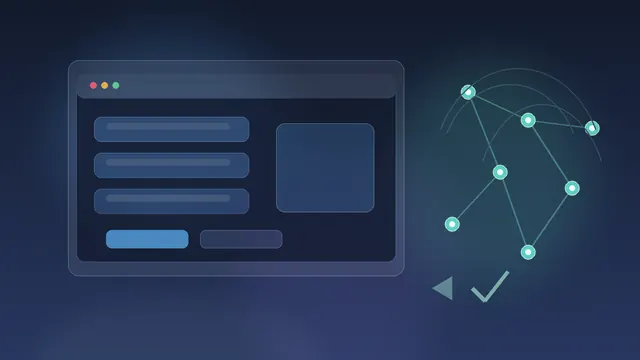
A practical guide to AI-assisted Selenium automation, covering where AI speeds test design, locator repair, failure triage, coverage planning, and how to build reliable web UI tests with code and a beginner hands-on task.
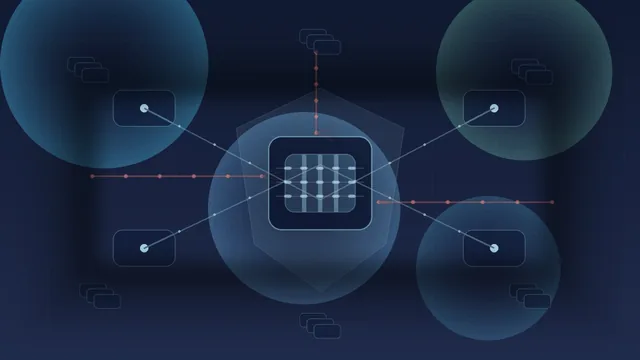
A practical guide to AI data leakage prevention for enterprise systems, covering prompt injection, RAG boundaries, memory hygiene, tool permissions, output filtering, and deployable controls that reduce the risk of oversharing sensitive data.

A practical look at why C++ remains central to HFT: market-data pipelines, binary protocol parsing, order-book maintenance, pinned cores, NUMA awareness, queue discipline, timestamping, replay, profiling, and the engineering habits required for deterministic low-latency trading systems.
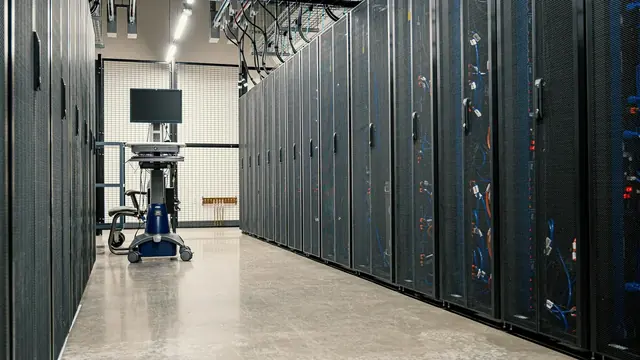
A practical deep dive into the open-source C++ ecosystem for neural networks: ONNX Runtime, LibTorch, oneDNN, OpenVINO, TensorFlow Lite, and llama.cpp, with guidance on when each library fits production deployment, inference, edge AI, and native systems integration.

An opinionated but evidence-based argument for why C++ remains the stronger default language for AI-assisted systems engineering: larger public code corpora, deeper vendor support, richer profiling and optimization feedback loops, and easier integration with existing native AI infrastructure.

A detailed guide to profiling C++ systems the right way: representative workloads, release builds with symbols, sampling versus tracing, flame graphs, heap behavior, off-CPU time, hardware counters, and a disciplined workflow for turning measurements into reliable performance wins.

A layer-by-layer comparison of where C++ and Rust belong in decentralized exchange architecture, from Solana programs and Rust-first chain ecosystems to C++ market-data engines, searchers, simulators, routing, and other latency-critical off-chain infrastructure.
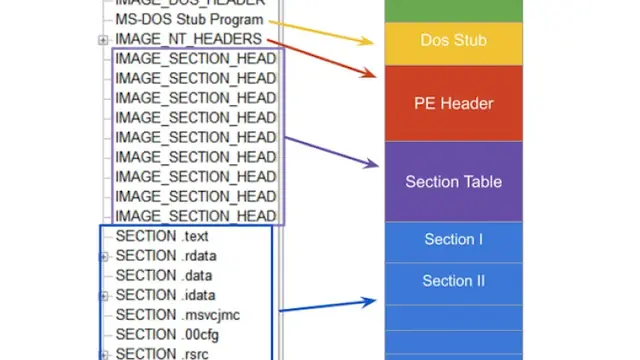
Hello dear friends! In this article, we’ll cover the basics of the PE format and build our own parser from scratch. It will be useful for those working in cybersecurity with system software, antivirus solutions, and protection systems.

Friends, hello everyone! In this article, we will talk about such an important part of every antivirus engine as the hashing module. We will talk about data verification, blacklisting and whitelisting, finding out how similar or different data is, and touching on the topic of fuzzy hashing algorithms. Get comfortable in your chairs!
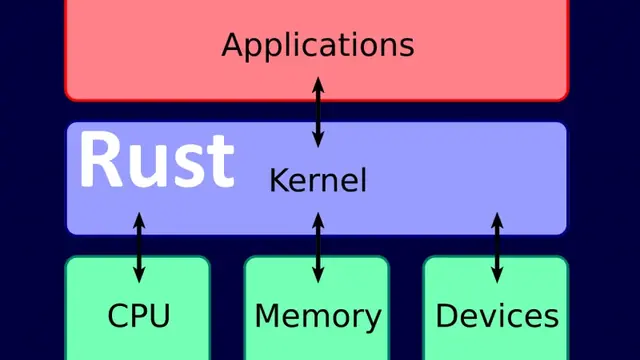
Build your first Windows kernel driver in Rust with a practical, step by step setup that covers WDK, Windows SDK, nightly toolchain, linker flags, and a clean no_std driver entry using DbgPrint. This guide walks through compiling a Rust .sys driver, enabling Windows test signing mode, signing the driver, and validating output with Sysinternals DebugView on Windows 10 or Windows 11.






Privacy-disciplined delivery
When delivery touches customer data, employee data, regulated workflows, or cross-border operations, privacy stays aligned with the engineering path from the start.